

Packing Tips Traveling is all about seeing new places, meeting new people, and gaining new experiences. But the joy of traveling can be ruined if you start worrying about packing before you set off. What to pack, how many clothes to pack, and whether you forgot something—these worries can be quite stressful for many travelers.
Knowing the right packing strategy can help you avoid these problems. In fact, a well-planned and organized bag can make your entire trip more comfortable, safe, and enjoyable.Whether you’re going on a short one-day trip, a multi-day beach trip, or a long international trip—some basic packing rules come in handy for all types of travel.
In this guide, we’ll discuss 10 Essential Packing Tips for Stress-Free Travel, which you can follow to travel smarter with less.
Why is packing properly so important?
Many people think that the more things you can pack before traveling, the better. In reality, the opposite is true.
Extra things mean:
- Heavy bags
- Higher baggage costs
- Excessive hassle at the airport
- Time consuming to find essentials
- Trouble packing at the hotel
- Difficult to move from one place to another
On the other hand, if you plan your packing well, you can keep the size and weight of your bag small while still carrying everything you need. Smart packing is especially important if you are using a carry-on backpack or cabin luggage. Because you have to keep the necessary clothes, electronic gadgets, toiletries, and travel essentials in a limited space.
So, making a small packing checklist before traveling is the best decision.
1. Make a packing list first.
The first and most important rule of stress-free travel is to make a list before packing. Many people start packing their bags right away. This can lead to forgetting essential items and stuffing them with unnecessary items. So make a checklist first.
You can divide your packing list into several categories:
Clothing
T-shirt
Shirt
Pants
Shorts
Underwear
Socks
Sleepwear
Jacket or sweater
Rain jacket
Personal essentials
Toothbrush
Toothpaste
Soap
Shampoo
Comb
Deodorant
Sunscreen, personal care products
Electronic items
Smartphone
Charger
Power bank
Earphones
Travel adapter
Camera
Memory card
Travel documents
Passport
Visa
ID card
Flight/train/bus ticket
Hotel booking information
Travel insurance documents
Other
Sunglasses
Water bottle
Small first-aid kit
Travel pillow
Reusable shopping bag
After making the list, check off each item as you pack.
This will greatly reduce last-minute mistakes.
2. Pack with your destination and weather in mind.
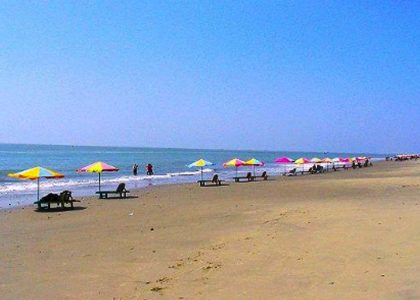
It’s a common mistake to pack clothes without knowing the weather conditions of your destination. For example, if you’re traveling to Cox’s Bazar or Saint Martin’s Island in Bangladesh, light clothing, sunglasses, sunscreen, and comfortable footwear may be important.
On the other hand, if you’re traveling to a mountainous area, you may need a jacket, warm clothing, and shoes with good grip.
The same rule applies to international travel.
Before packing, know:
- Destination temperature
Chance of rain
Humidity
Seasonal weather
Local dress requirements
Number of days you’re traveling
A simple rule:
Weather + Activities + Trip Duration = Packing Plan
If you’re traveling for 5 days and the weather is warm, there’s no need to pack 10 T-shirts. Instead, pack clothes that can be worn multiple times.
3. Follow the “Less Is More” Principle
One of the biggest mistakes when traveling is overpacking. Many people think, “I might need this”—and pack extra things in their bags. But most of the time, they never use them. So ask yourself for each item:
“Will I really use this?” If the answer is “probably not,” then it’s best not to take it.
Example
- A 5-day trip would typically require:
- 4–5 T-shirts/shirts
- 2–3 bottoms
- 5–6 underwear
- 4–5 pairs of socks
- 1 jacket
- 1 pair of primary shoes
- 1 pair of sandals as needed
Of course, this will depend on your personal needs, destination, and activities. The goal should be to pack the essentials, not the least.
4. Roll your clothes and pack them.
In many cases, instead of folding them, using the rolling method can save a lot of space in your bag.
Specifically:
- T-shirt
Polo shirt
Shorts
Lightweight pants
Casual clothing
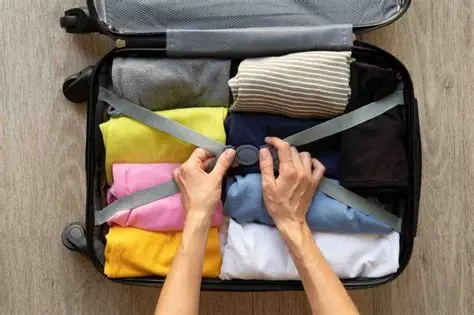
The rolling method is very simple. First, spread the clothes evenly. Then fold them lengthwise or as needed and roll them tightly.
- The advantages of this are:
- The space in the bag can be used well
- Clothing can be easily seen
- More clothing can be stored in a small bag
In some cases, wrinkles are reduced However, formal shirts, blazers or clothes that wrinkle easily are best stored using traditional folding or packing folders.
5. Use Packing Cubes
If you travel regularly, packing cubes can make your travel organization a lot easier. Packing cubes are small zippered organizers that can hold different types of items.
For example:
- Cube 1: T-shirts and shirts
- Cube 2: Pants and shorts
- Cube 3: Underwear and socks
- Cube 4: Sleepwear
- Cube 5: Accessories
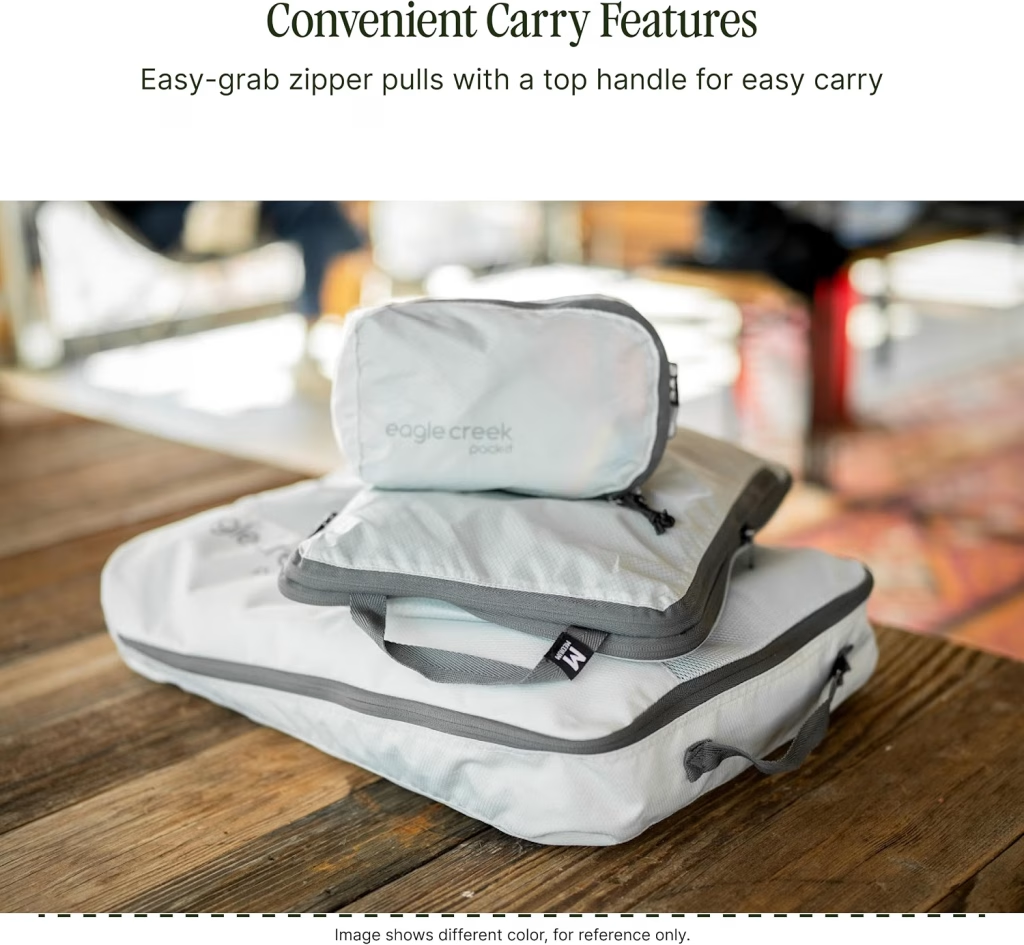
This allows you to quickly find specific items without having to rummage through your entire bag.
Packing cubes are especially good for:
- Long trips
- Family travel
- Backpack travel
- Business travel
- International travel.
If you’re traveling to several cities with a backpack, packing cubes can save you both time and hassle.
6. Keep heavy items at the bottom and essentials at the top
Where you put things in your bag is also an important factor. It is better to keep heavy items at the bottom of the bag or near the back panel.
For example:
- Shoes
Heavy electronics
Books
Larger accessories
And keep things that you may need quickly at the top so that you can easily get them out when needed.
For example:
- Passport
Wallet
Phone charger
Headphones
Sunglasses
Snacks
Tissues
Hand sanitizer
This strategy is especially useful during airport travel. If you have to open the entire bag to get out your passport or charger or power bank, it can be an unnecessary hassle. So create an Easy Access Zone.
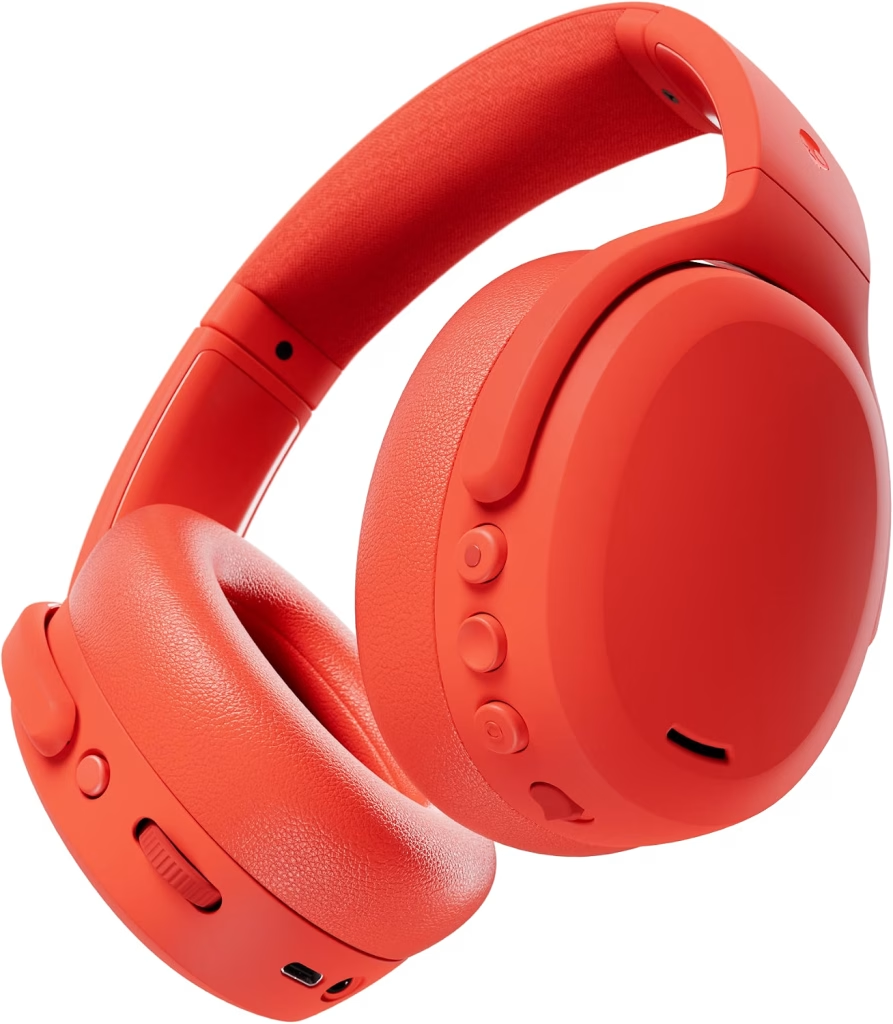
7. Pack Less Shoes and Pack Smartly
Shoes usually take up a lot of space in your bag. So avoid packing multiple pairs of shoes on each trip. Generally, a comfortable primary shoe/kades and a lightweight sandal or secondary footwear if needed should suffice.
When packing shoes:
- Clean the soles of your shoes.
- Use a separate shoe bag.
- You can keep socks or small accessories inside your shoes.
- Place your shoes at the bottom of your bag.
Using the space inside your shoes can provide some extra space. However, choose shoes according to the type of trip you are going on. If it is a hiking trip, prioritize comfort and grip over fashion.
8. Use Small Travel Containers for Toiletries
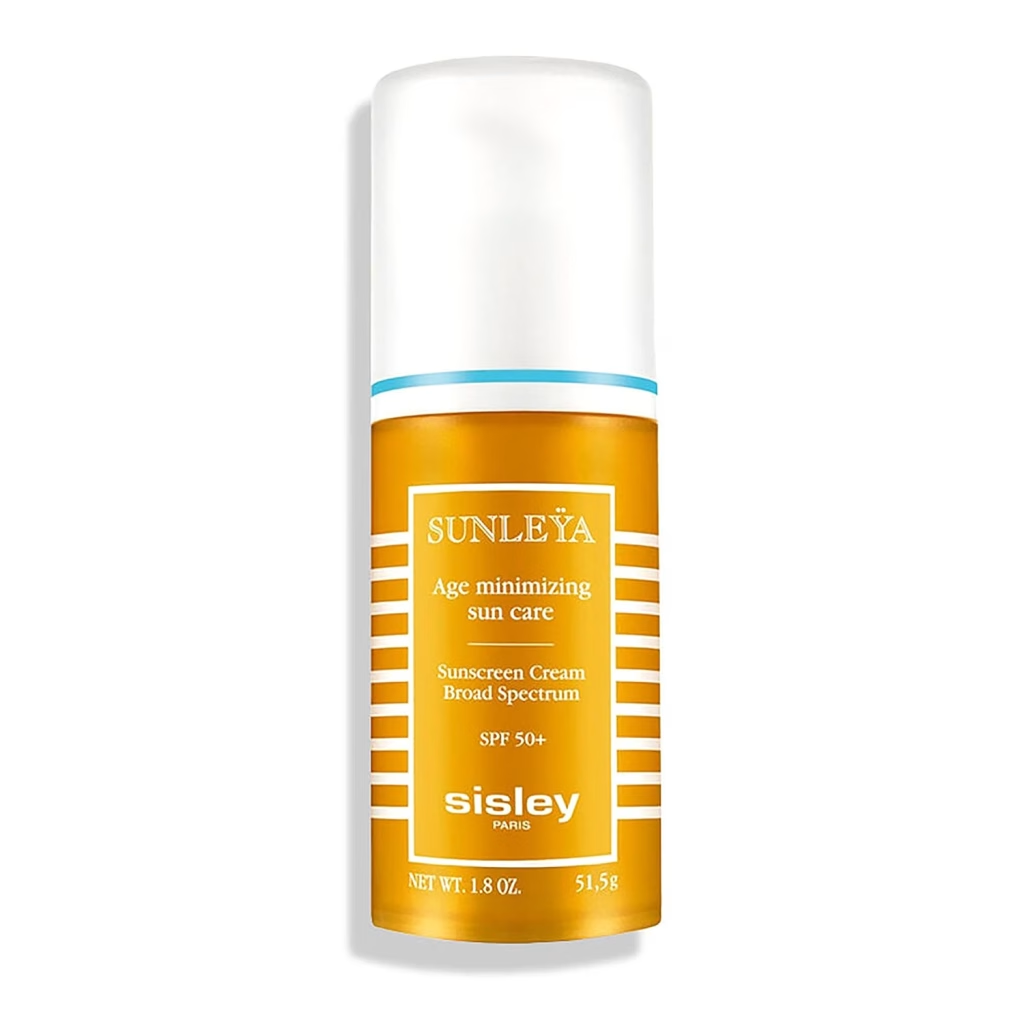
Large bottles of shampoo, conditioner, body wash, lotion, etc. can make the entire bag heavy. So, use travel-size containers if possible. What you can keep in your toiletry bag: Instead of buying large bottles, you can keep them in small sizes.
Liquid items must be sealed well. Especially when traveling by air, check the airline and airport security rules for liquids, gels, and aerosols in advance. Using a transparent toiletry bag facilitates security checks and daily use.
- Toothbrush
- Toothpaste
- Face wash
- Shampoo
- Conditioner
- Deodorant
- Sunscreen
- Moisturizer
- Comb
- Razor
- Small towel
9. Keep important documents and electronics separate
The most important thing on a trip is your documents. If you lose your clothes, you can often get a replacement. But losing your passport, visa, or important travel documents can be a big problem. So use a separate travel organizer for documents.
You can keep it in:
- Passport
- National ID
- Visa documents
- Boarding pass
- Hotel confirmation
- Travel insurance
- Emergency contact information
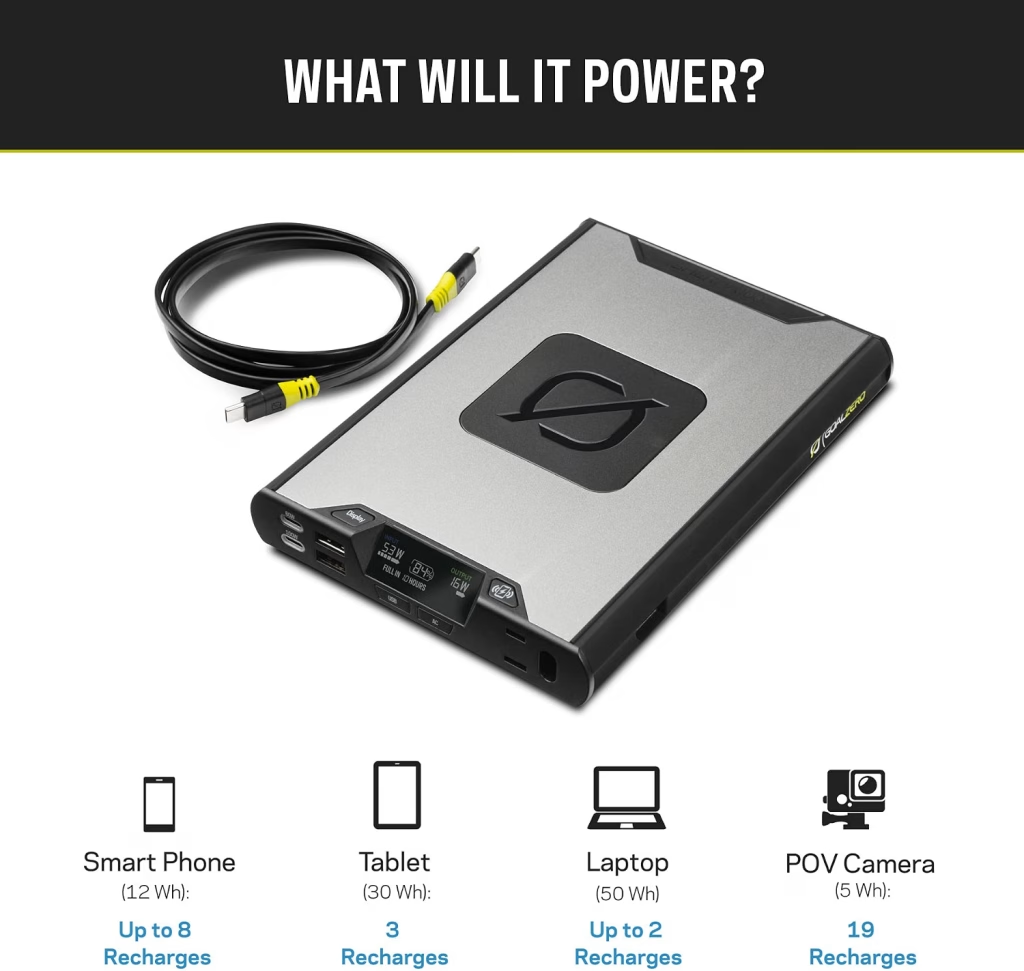
If possible, keep digital copies of important documents in secure cloud storage or on your phone. Keep a separate pouch for electronics too. In a small electronics organizer, you can keep:
- Phone charger
- Charging cable
- Power bank
- Earbuds
- Memory card
- USB drive
- Travel adapter
This will keep the cables from getting tangled and you will be able to find them quickly when needed.
Amazon Price $249 - $474.00
10. Weigh your bag and do a final check.
Don’t go out straight after packing. Check your entire bag one last time. If possible, weigh it with a luggage scale. This is especially important when traveling by air, as baggage allowances may vary according to airline regulations.
Final Packing Checklist Before you travel, make sure:
☐ Passport is available
☐ Visa is available
☐ Tickets/booking confirmation is available
☐ Wallet and payment cards are available
☐ Phone is available
☐ Charger is available
☐ Power bank is available
☐ Necessary medicines are available
☐ Toiletries are available
☐ Necessary clothing is available
☐ Comfortable shoes are available
☐ Weather-appropriate clothing is available
☐ Travel documents are backed up
☐ Bag weight is acceptable
☐ Hotel/address information is saved
This final check may only take 5–10 minutes, but will help you avoid many big problems. Download Now
Bonus Tip: Follow the 24-Hour Rule
Starting packing at the last minute the day before your trip increases the chances of making mistakes. So, if possible, finish your main packing at least 24 hours before your trip.
- This will help you understand:
- What’s missing
- What clothes are needed
- Is the bag too heavy
- What items can be left out
- What documents are needed
- What changes need to be made according to the weather
At the last minute, add only fresh clothes, a phone, and essential daily-use items to your bag.
How to pack for different types of trips?
Weekend Trip: A compact backpack can be enough for a short weekend trip.
Needs:
- 2–3 items of clothing
- Underwear
- Toiletries
- Charger
- Wallet
- Documents
- Comfortable footwear
- Minimalist packing is best here.
Beach Vacation
For a beach destination, you can take:
- Swimwear
- Lightweight clothes
- Sunglasses
- Sunscreen
- Hat
- Sandals
- Quick-dry towel
- Waterproof pouch
- Extra plastic/reusable bag
- A waterproof pouch is very useful for keeping electronic items safe at the beach.
Mountain & Adventure Trip
Adventure travel packing is a little different.
You may need:
- Hiking shoes
- Comfortable pants
- Moisture-wicking T-shirts
- Jacket
- Rain gear
- Headlamp
- Water bottle
- Small first-aid kit
- Navigation device/phone
- Power bank
Functional gear is more important here than the amount of clothing.
Business Travel
For a business trip, your packing list might include:
- Formal shirt
- Trousers
- Blazer
- Comfortable formal shoes
- Laptop
- Laptop charger
- Documents
- Business cards
- Toiletries
- Casual clothes
Business travel is made easier by using wrinkle-resistant clothing.
Packing Tips for Traveling with Family
Family travel usually requires a lot of things. But having a separate large bag for each person can make it difficult to move around.
So if possible:
- Use a small packing cube for each person
- Keep the children’s essentials separate
- Keep snacks in an easy-to-reach place
- Keep important documents centralized with one person
- Keep extra clothes in a hand-carry bag
- Keep a separate bag for wet clothes
- Keep a small emergency/essentials bag handy when traveling with children.
Smart Packing in a Carry-On Backpack
Using a good travel backpack can often reduce the need for checked luggage. So, generally keep the most important things in a carry-on backpack:
Top Compartment
Passport
Wallet
Phone
Earphones
Sunglasses
Main Compartment
Clothes
Packing cubes
Jacket
Laptop Compartment
Laptop
Tablet
Documents
Small Pockets
Charger
Cable
Power bank
Small accessories
If each compartment of the bag has a specific purpose, you won’t waste time looking for things.
Mistakes to avoid while packing.
1. Carrying extra clothes: There is no need to carry a different outfit for each day if you can mix-and-match.
2. Doing everything at the last minute: If you pack at the last minute, you may forget your passport, charger or other important items.
3. Carrying too many heavy items: You will be carrying that bag yourself during the trip. So avoid unnecessary weight.
4. Not keeping documents in one place: Having your passport, visa and ticket scattered around can cause problems when needed.
5. Not checking the weather: If you choose clothes without checking the weather forecast, you may miss out on the necessary jacket or rain gear.
6. Missing emergency items: It is good to carry a small first-aid kit, basic medicine, tissues or emergency contact information.
A Simple Travel Packing Formula: “What if?”
You can use this simple formula if you want: Pack for the trip you have—not the trip you imagine.
That is, don’t pack 10 extra things for a situation that might never happen.
Another useful formula: Essential + Versatile + Lightweight = Smart Packing
Things that:
- are truly essential,
- can be used in multiple ways,
- take up less space and less weight,
- will get priority on your packing list.
Conclusion
Packing well is not just about packing more stuff in your bag; it’s about packing the right things, in the right quantities, and in the right order. A good packing strategy can reduce stress from the start of your trip. When you know where your passport, charger, extra clothes, and toiletries are—the whole journey becomes much more organized and enjoyable.
Remember, smart packing isn’t about packing too much—it’s about choosing the essentials.
Create a packing checklist before your next trip, consider the weather and activities, use packing cubes or small organizers, and avoid last-minute packing. If you travel regularly, a good-quality travel backpack, packing cubes, toiletry organizer, and electronics pouch can make your travel experience easier.
Finally, remember one thing: Pack Light. Travel Far. Explore More.
The more organized your bag is, the more relaxed you’ll be. And when the hassle of packing is reduced, there is more time to enjoy the true joy of traveling.