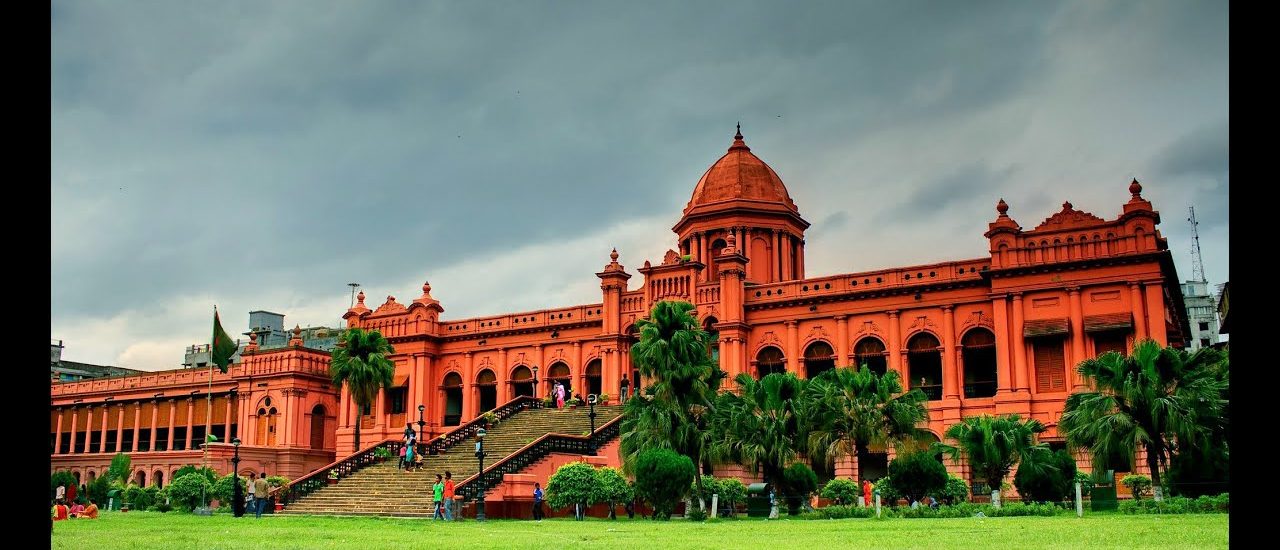
Located on the banks of the Buriganga River in Old Dhaka, the magnificent pink palace known as Ahsan Manzil is one of the most iconic historical landmarks in Bangladesh. This beautiful structure is not just a building; it is a symbol of the rich history, culture, and heritage of the Nawabs of Dhaka.
Situated in the capital city Dhaka, Ahsan Manzil attracts thousands of tourists every year, both local and international. Once the official residence and seat of the Nawabs of Dhaka, the palace has now been transformed into a museum that preserves valuable artifacts and stories from the Mughal and British periods.
In this comprehensive guide, you will learn about:
The history of Ahsan Manzil
The story of the Nawab family of Dhaka
Architectural design and structure
The museum and its collections
Political significance in history
The Buriganga River connection
Visitor information and travel guide
Ticket prices and visiting hours
History of Ahsan Manzil
The history of Ahsan Manzil dates back more than 200 years. The palace was constructed in 1859 by the Nawab family of Dhaka. It was built by Nawab Abdul Ghani, one of the most influential and wealthy landlords of Dhaka during the 19th century.
The palace was named after his son, Nawab Ahsanullah, which is why it became known as “Ahsan Manzil.”
During that time, Ahsan Manzil served as the official residential palace and administrative center of the Nawabs of Dhaka. Important political, social, and cultural meetings were held in this palace.
For many years, it remained the center of elite life in Dhaka.
Nawab Abdul Ghani and His Contribution
Nawab Abdul Ghani played a crucial role in the development of Dhaka during the 19th century. He was not only a powerful landlord but also a generous philanthropist who contributed significantly to the city’s modernization.
His contributions include:
Developing Dhaka’s water supply system
Supporting road construction
Establishing charitable institutions
Promoting social welfare
Under his leadership, Dhaka began transforming into a modern urban center.
Nawab Ahsanullah
The palace was named after Nawab Ahsanullah, the son of Nawab Abdul Ghani. He was known as an educated, progressive, and influential leader.
During his time, Dhaka experienced significant growth in education, culture, and social development.
He actively supported:
Educational institutions
Cultural activities
Social organizations
His contributions strengthened the social and intellectual environment of Dhaka.
Interior Beauty of the Palace
The interior of Ahsan Manzil reflects royal elegance and luxury. The rooms were designed with intricate decorative elements and spacious layouts.
Inside the palace you will find:
Grand halls
Royal staircases
Decorative ceilings
Beautiful wooden doors and windows
Each room had a specific function, such as:
Reception halls
Guest rooms
Dance halls
Meeting rooms
These spaces reflect the luxurious lifestyle of the Nawabs of Dhaka.
The Durbar Hall
One of the most important rooms in Ahsan Manzil is the Durbar Hall.
This hall was used for official meetings, political discussions, and receptions for distinguished guests. Important social gatherings and royal ceremonies were also held here.
The Durbar Hall represents the political and administrative power of the Nawabs during their time.
Ahsan Manzil Museum
Today, Ahsan Manzil operates as a museum that showcases the lifestyle and history of the Nawab family.
It was officially converted into a museum in 1985.
The museum contains more than 30 galleries displaying a wide range of historical items.
Some of the artifacts include:
Antique furniture used by the Nawabs
Historical photographs
Traditional clothing
Old weapons
Coins and documents
These collections provide visitors with a deeper understanding of Dhaka’s aristocratic past.
Ahsan Manzil During British Rule
During the British colonial period, Ahsan Manzil remained a significant political and social center.
British officials frequently visited the palace for meetings and discussions with the Nawabs.
Many important administrative and political decisions affecting Dhaka were discussed within its walls.
Political Importance in South Asian History
Ahsan Manzil played an important role in the political history of the Indian subcontinent.
In 1906, a historic meeting was held in Dhaka where the proposal to establish the All India Muslim League was discussed.
This event later became a turning point in the political landscape of South Asia.
The Buriganga River and Ahsan Manzil
Ahsan Manzil is beautifully located beside the Buriganga River.
In the past, the river served as the primary transportation route to the palace.
Guests often arrived by boat or steamer, and the view of the palace from the river was spectacular.
Even today, the scenic surroundings of the river add charm to the historical site.
Earthquake Damage and Restoration
In 1888, a powerful earthquake caused serious damage to the palace.
Later, Nawab Ahsanullah reconstructed and renovated the building.
During this restoration, several improvements were made to strengthen the structure and enhance its architectural beauty.
The Palace Garden
The garden in front of Ahsan Manzil adds to its beauty and elegance.
The garden includes:
Green lawns
Flower plants
Walking paths
Visitors often spend time relaxing in the garden and taking photographs.
Tourist Experience
Visiting Ahsan Manzil feels like stepping back in time.
The palace walls tell stories of the past, and every room reveals something about Dhaka’s aristocratic history.
Tourists can:
Explore historical galleries
Learn about the Nawab family
Enjoy stunning architecture
Take beautiful photographs
Best Time to Visit
The best time to visit Ahsan Manzil is during the winter season.
From November to February, the weather in Dhaka is cooler and more comfortable for sightseeing.
Late afternoon visits are especially enjoyable because the lighting makes the palace look even more beautiful.
Ticket Price
Visitors need to purchase tickets to enter the palace museum.
Generally:
Local visitors pay a small entrance fee
Foreign tourists pay a higher fee
Students may receive discounted tickets
Visiting Hours
Ahsan Manzil is typically open:
10:00 AM – 5:00 PM (Saturday to Wednesday)
On Fridays, it usually opens in the afternoon.
It remains closed one day a week for maintenance.
How to Reach Ahsan Manzil
Ahsan Manzil is located in Old Dhaka near Sadarghat.
Visitors can reach the palace easily using:
Public buses
CNG auto-rickshaws
Rickshaws
Ride-sharing services
Once you reach the Sadarghat area, the palace is just a short walk away,
Travel Tips for Visitors
To make your visit enjoyable, keep these tips in mind:
Visit in the morning or late afternoon
Avoid weekends if you prefer less crowd
Bring a camera for photos
Respect the historical structure
Why You Should Visit Ahsan Manzil
If you want to explore the history of Dhaka and the legacy of the Nawabs, Ahsan Manzil is a must-visit destination.
Here you can experience:
Royal heritage
Historical architecture
Cultural exhibitions
A peaceful riverside environment
Conclusion
The iconic Ahsan Manzil stands as one of the most important historical landmarks in Bangladesh.
It is not just a palace but a symbol of Dhaka’s rich cultural heritage and political history.
If you are visiting Dhaka, make sure to include Ahsan Manzil in your travel itinerary. It offers a unique opportunity to experience the grandeur of the Nawabs and the fascinating history of Old Dhaka.