


Dhaka City Tour: Explore 9 Historic, Cultural & Architectural Attractions in Bangladesh
Dhaka City Tour a Complete Travel Guide to Lalbagh Fort, Ahsan Manzil, National Mosque, Star Mosque, Dhakeshwari National Temple, Shaheed Minar, National Parliament, Liberation War Museum & Armenian Church
Dhaka is more than just the capital of Bangladesh. It is a city where centuries of history, Mughal architecture, religious heritage, cultural traditions, and the spirit of independence come together.
From the narrow historic streets of Old Dhaka to the impressive modern architecture of the National Parliament House, the city offers a fascinating journey through Bangladesh’s past and present.
For international travellers, Dhaka is an excellent place to understand the country’s history, culture, architecture, and everyday lifestyle. You can explore an ancient Mughal fort in the morning, admire a beautifully decorated palace in the afternoon, visit important religious landmarks, and finish the day discovering the story of Bangladesh’s Liberation War.
This Dhaka City Tour Travel Guide introduces nine must-visit attractions, along with suggested itineraries, transportation advice, food recommendations, travel tips, and an estimated budget to help you plan your visit.
Whether you are a history enthusiast, architecture lover, cultural explorer, photographer, or first-time visitor to Bangladesh, Dhaka has plenty to discover.
1. Why Visit Dhaka for a City Tour?
Dhaka is one of South Asia’s most historically interesting cities. Its history includes Mughal rule, British colonial influence, the Bengali language movement, and the independence movement of Bangladesh.
A city tour gives visitors an opportunity to discover these different chapters through historic buildings, museums, monuments, and religious landmarks.
Here are Dhaka City Tour some reasons to include Dhaka in your Bangladesh travel itinerary:
- Mughal heritage: Explore historic buildings such as Lalbagh Fort.
- Royal history: Discover the lifestyle and architecture of the Nawab family at Ahsan Manzil.
- Religious landmarks: Visit important mosques, temples, and churches.
- Language movement history: Learn about the sacrifices behind the Bengali language movement at Shaheed Minar.
- Liberation War history: Understand Bangladesh’s struggle for independence.
- Modern architecture: Experience the extraordinary design of the National Parliament House.
- Local culture: Explore Old Dhaka’s traditional food, markets, streets, and rickshaw culture.
Dhaka offers a combination of historical discovery and everyday cultural experiences that makes it a memorable destination.
2. Top 9 Places to Visit on a Dhaka City Tour
1. Lalbagh Fort – Discover the Mughal History of Dhaka
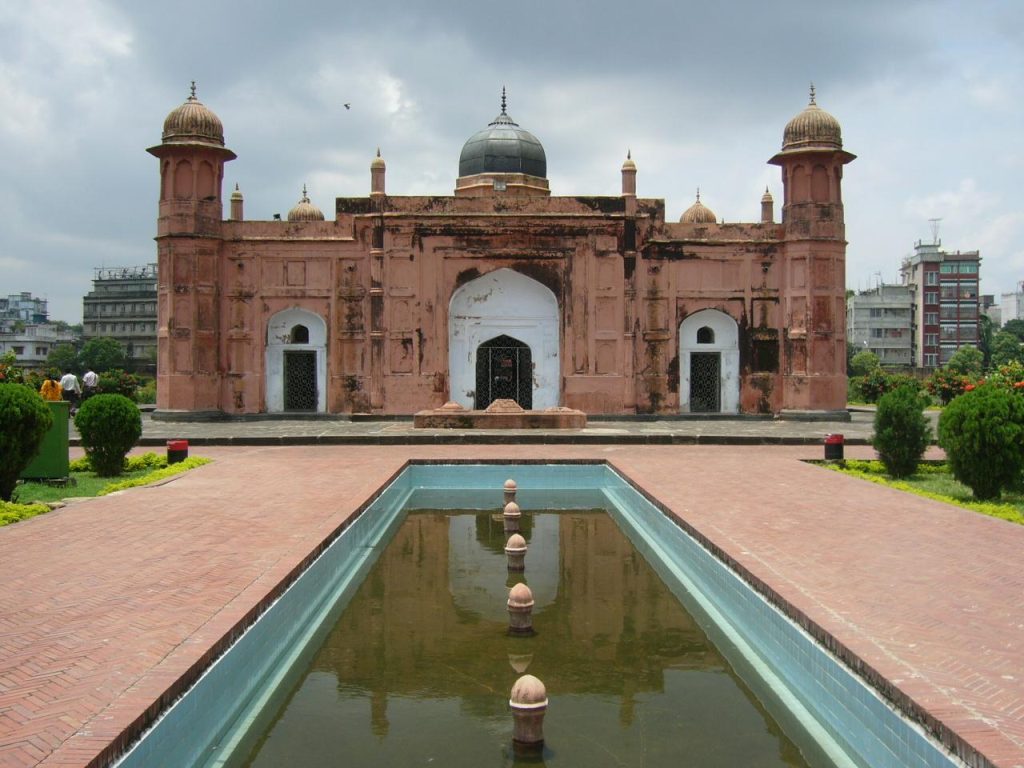
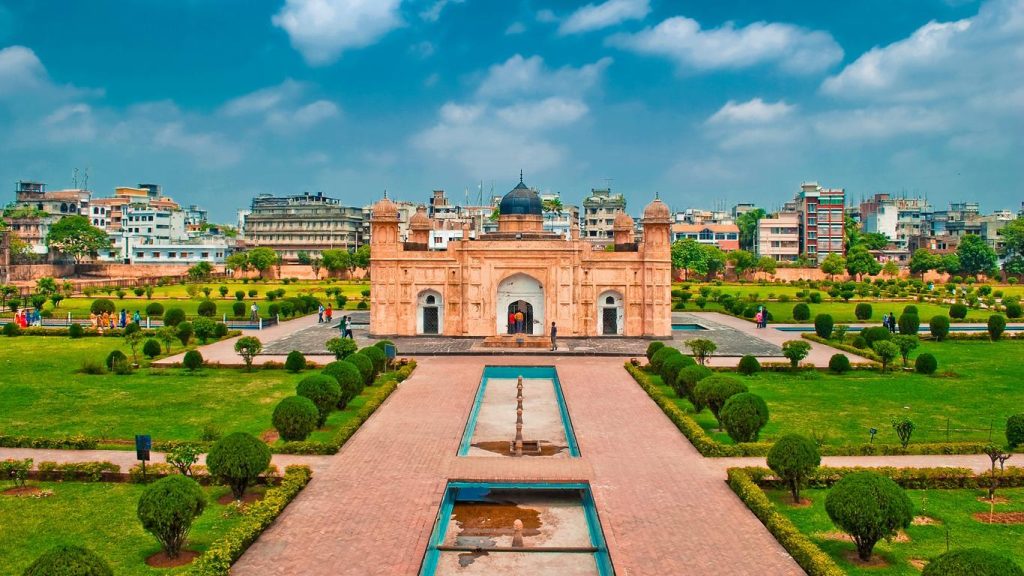
Lalbagh Fort is one of the most famous historical attractions in Dhaka. Located in the heart of Old Dhaka, this unfinished Mughal fort represents an important chapter in the city’s history. Construction began in 1678 under Prince Muhammad Azam, the son of Mughal Emperor Aurangzeb. The fort was later associated with Shaista Khan, an influential Mughal governor of Bengal.
The complex is famous for its beautiful Mughal architecture, gardens, historic gateways, and impressive structures. Some of the most interesting attractions inside the fort include the Tomb of Pari Bibi, Diwan-i-Aam, and Lalbagh Fort Mosque. Walking through the fort gives visitors a glimpse into the architectural style and royal history of Mughal Bengal.
Top Things to Do at Lalbagh Fort
- Explore the historic Mughal architecture.
- Visit the Tomb of Pari Bibi.
- Discover the Diwan-i-Aam.
- Photograph the beautiful gardens and gateways.
- Learn about the Mughal history of Dhaka.
Location: Lalbagh, Old Dhaka, Bangladesh.
Recommended Visiting Time: 1–1.5 hours.
Travel Tip: Visit in the morning when the weather is relatively comfortable. Check the latest opening hours and weekly closure information before visiting.
2. Ahsan Manzil Museum – Explore the Pink Palace of Dhaka
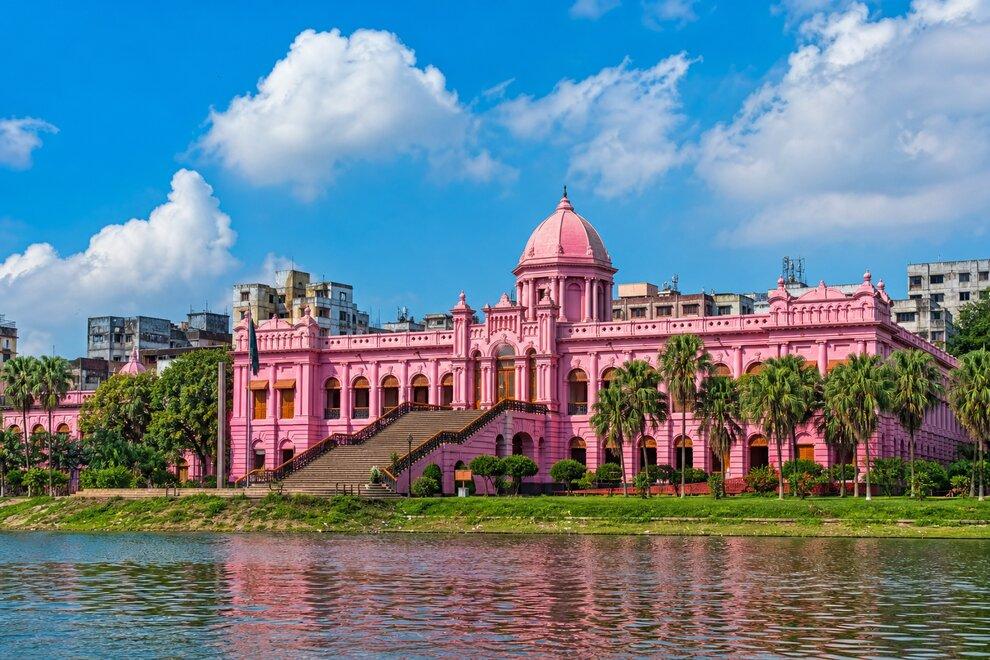
Ahsan Manzil is one of the most beautiful historic buildings in Bangladesh. Commonly known as the Pink Palace, it was once the official residential palace of the Nawabs of Dhaka. Located beside the Buriganga River in Old Dhaka, this impressive building is a remarkable example of Indo-Saracenic architectural influence.
The palace was developed during the nineteenth century and became closely associated with Nawab Abdul Ghani and his family. Today, Ahsan Manzil operates as a museum where visitors can discover the history, lifestyle, furniture, photographs, and personal belongings associated with the Nawab family.
Its pink exterior, grand staircase, elegant halls, and beautiful riverfront setting make it a popular attraction for visitors and photographers.
Top Things to Do at Ahsan Manzil
- Explore the historic palace rooms.
- Discover the Nawab family’s history.
- Admire the beautiful architectural details.
- Photograph the iconic pink exterior.
- Enjoy views of the surrounding Old Dhaka area.
Location: Kumartoli, Islampur, Old Dhaka, Bangladesh.
Recommended Visiting Time: 1–1.5 hours.
Travel Tip: Combine Ahsan Manzil with a visit to nearby Shakhari Bazar and other Old Dhaka attractions. Museum photography rules may apply.
3. Baitul Mukarram National Mosque – Visit Bangladesh’s National Mosque
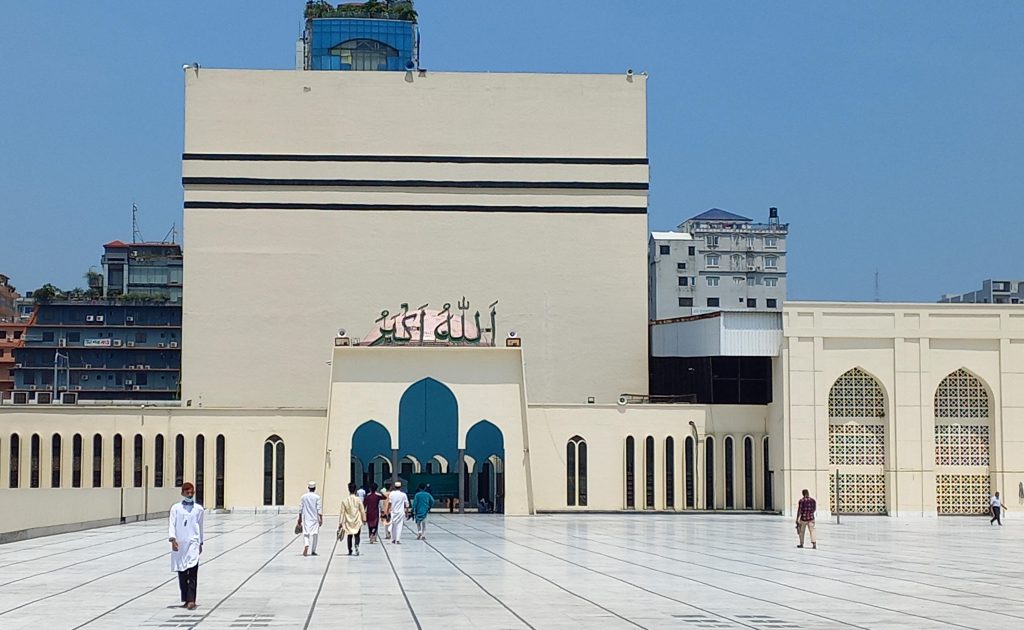
Baitul Mukarram is the National Mosque of Bangladesh and one of the country’s most important religious landmarks. Located in central Dhaka near the commercial area of Paltan, the mosque is known for its impressive size and distinctive architectural design.
Construction began in the early 1960s, and the mosque was designed with a modern architectural style inspired partly by the form of the Kaaba in Mecca. Its large prayer halls and impressive structure make it an important place of worship for Muslims in Bangladesh.
Visitors interested in architecture and religious heritage can appreciate the building from its permitted visitor areas.
Top Things to See at Baitul Mukarram
- Admire the distinctive mosque architecture.
- Observe the large prayer complex.
- Learn about the religious heritage of Bangladesh.
- Experience the atmosphere around the national mosque.
Location: Paltan, Dhaka, Bangladesh.
Recommended Visiting Time: 30–45 minutes.
Travel Tip: Dress modestly, respect prayer times, and ask permission before taking photographs. Non-Muslim visitor access to prayer areas may be restricted.
4. Star Mosque – Discover the Beautiful Mosaic Architecture
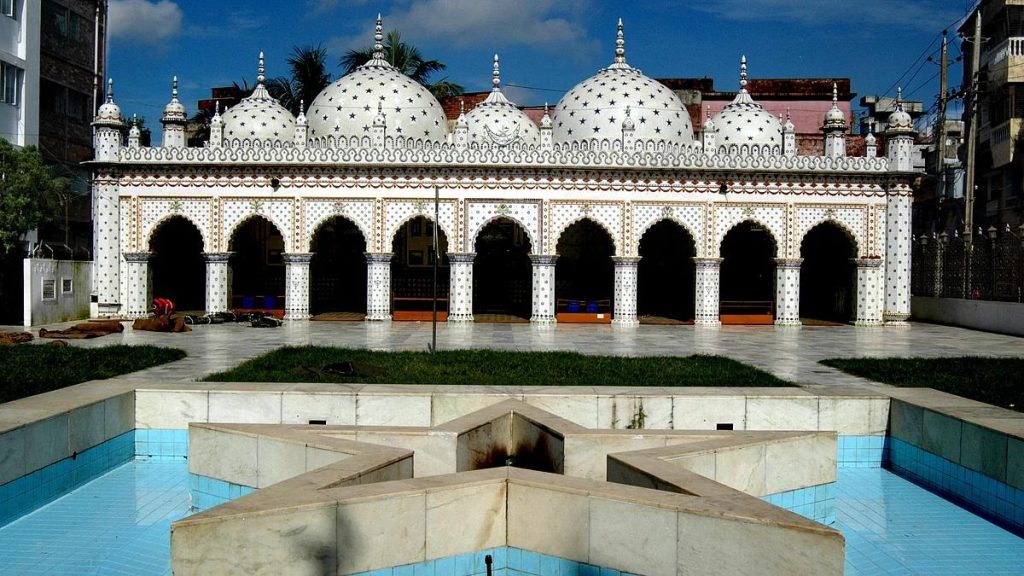
Star Mosque, locally known as Tara Masjid, is one of the most visually distinctive mosques in Old Dhaka. The mosque is famous for its beautiful decorative work featuring star-shaped patterns, floral designs, and intricate mosaic tiles.
Originally built in the early nineteenth century, the mosque was later renovated and expanded. Its decoration includes traditional craftsmanship and distinctive Chini Tikri mosaic work. The combination of white surfaces, blue details, and star-shaped patterns makes it an interesting architectural attraction.
For visitors interested in Islamic art and historic architecture, Star Mosque is a must-see destination in Old Dhaka.
Top Things to Do at Star Mosque
- Admire the star-shaped mosaic decorations.
- Explore the historic mosque exterior.
- Appreciate traditional craftsmanship.
- Photograph its beautiful architectural details from permitted areas.
Location: Armanitola, Old Dhaka, Bangladesh.
Recommended Visiting Time: 20–30 minutes.
Travel Tip: Visit outside prayer times, dress appropriately, and maintain silence inside the mosque.
5. Dhakeshwari National Temple – Explore the Hindu Heritage of Dhaka
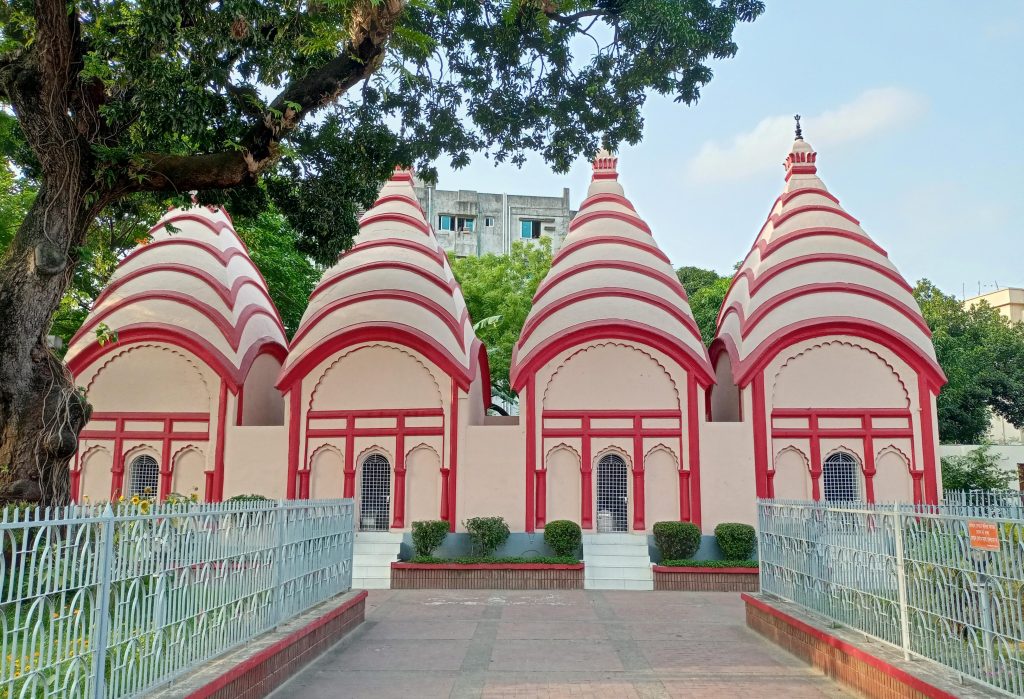
Dhakeshwari National Temple is one of the most important Hindu religious landmarks in Bangladesh. The temple is traditionally associated with the historical and cultural identity of Dhaka. The name Dhakeshwari is commonly interpreted as the Hidden Goddess.
The temple complex features traditional religious architecture, courtyards, shrines, and a peaceful environment. It is an important destination for understanding the religious diversity and cultural heritage of Bangladesh. Visitors can explore the surroundings, learn about Hindu traditions, and appreciate the temple’s architectural and cultural significance.
Top Things to Do at Dhakeshwari National Temple
- Explore the historic temple complex.
- Observe traditional Hindu architecture.
- Learn about the religious heritage of Dhaka.
- Experience the peaceful atmosphere.
- Discover the cultural significance of the temple.
Location: Bakshi Bazar, Old Dhaka, Bangladesh.
Recommended Visiting Time: 30–45 minutes.
Travel Tip: Respect religious customs, remove footwear where required, and ask permission before photographing worshippers or ceremonies.
6. Shaheed Minar – Remember the Heroes of the Bengali Language Movement
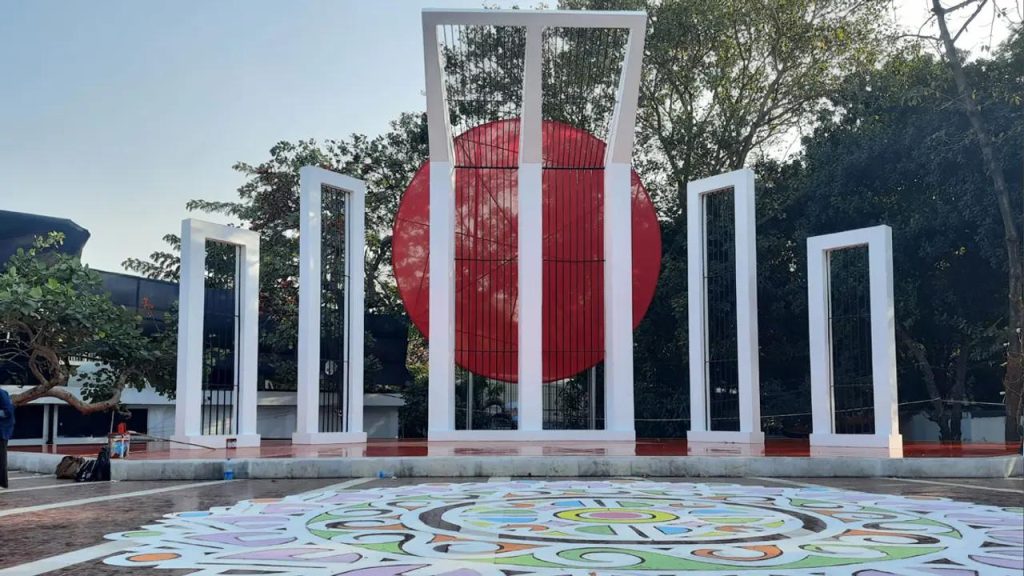
Shaheed Minar is one of the most emotionally significant monuments in Bangladesh. It commemorates the martyrs of the Bengali Language Movement of 1952, when students and activists sacrificed their lives demanding recognition of Bangla as a state language.
On 21 February 1952, police opened fire on demonstrators in Dhaka. The event became a defining moment in the history of Bangladesh’s language and cultural identity. The Central Shaheed Minar stands as a symbol of courage, sacrifice, and the right to speak one’s mother language.
Today, people from different parts of Bangladesh visit the monument, particularly on 21 February, which is observed as Shaheed Dibosh and International Mother Language Day.
Top Things to Do at Shaheed Minar
- Learn about the Language Movement of 1952.
- Observe the memorial’s architectural design.
- Pay tribute to the language martyrs.
- Photograph the monument respectfully.
- Understand the historical importance of Bangla.
Location: Near Dhaka University, Dhaka, Bangladesh.
Recommended Visiting Time: 30–45 minutes.
Travel Tip: Visit on 21 February to experience the special national observances, although the area can become extremely crowded.
7. National Parliament House – Discover an Architectural Masterpiece
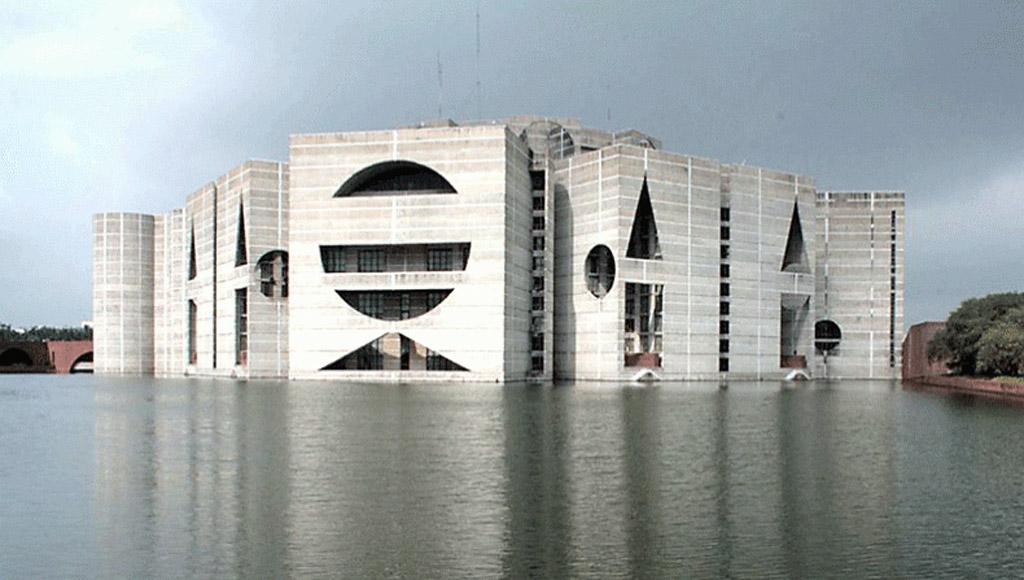
The National Parliament House, known as Jatiya Sangsad Bhaban, is one of the most remarkable architectural landmarks in Bangladesh. Designed by the renowned American architect Louis I. Kahn, the building is internationally recognised for its geometric forms, large concrete structures, circular openings, and beautiful relationship with surrounding water and open spaces.
Construction began in the 1960s, and the complex was completed and inaugurated in 1982.
The building is an excellent example of modern monumental architecture. Its design combines geometric shapes, natural light, water, and open space to create a distinctive architectural experience. Even from the exterior, visitors can appreciate the impressive scale and unique design of this national landmark.
Location: Sher-e-Bangla Nagar, Dhaka, Bangladesh.
Top Things to Do at National Parliament House
- Admire the geometric architectural design.
- Photograph the exterior from permitted public areas.
- Learn about architect Louis I. Kahn.
- Explore the surrounding public spaces where access is allowed.
- Appreciate the modern architectural heritage of Bangladesh.
Recommended Visiting Time: 30–60 minutes.
Travel Tip: Parliament grounds and building access are subject to security restrictions. Check official visitor arrangements before planning an interior visit. Do not assume that the building is freely accessible.
8. Liberation War Museum – Understand the History of Bangladesh’s Independence
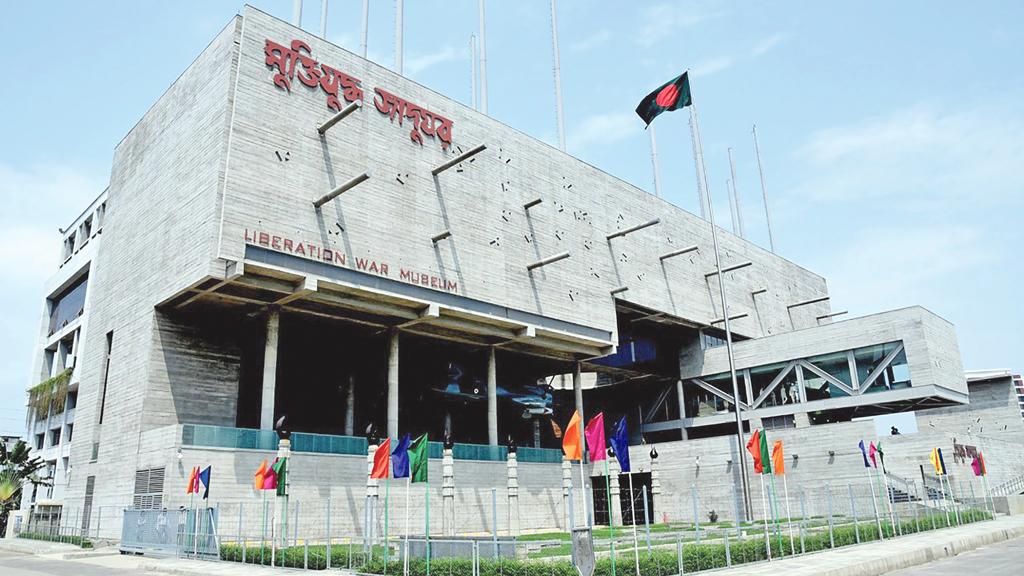
The Liberation War Museum is one of the most important museums in Bangladesh. It preserves the history of the country’s struggle for independence in 1971, when millions of people experienced war, displacement, suffering, and sacrifice.
The museum presents historical photographs, documents, personal belongings, artefacts, and exhibits related to the Liberation War. Visitors can learn about the political events leading to independence, the lives of freedom fighters, the humanitarian consequences of the war, and the birth of Bangladesh as an independent nation.
For international visitors, this museum is especially valuable because it provides a deeper understanding of the country’s national identity.
Top Things to Do at Liberation War Museum
- Explore historical exhibitions.
- Learn about the events of 1971.
- Discover photographs and historical documents.
- Understand the experiences of freedom fighters and civilians.
- Learn about Bangladesh’s journey to independence.
Location: Agargaon, Dhaka, Bangladesh.
Recommended Visiting Time: 1.5–2 hours.
Travel Tip: Allow enough time to explore the exhibits. Follow museum rules regarding photography and check current opening hours before visiting.
9. Armenian Church – Discover a Hidden Piece of Old Dhaka History
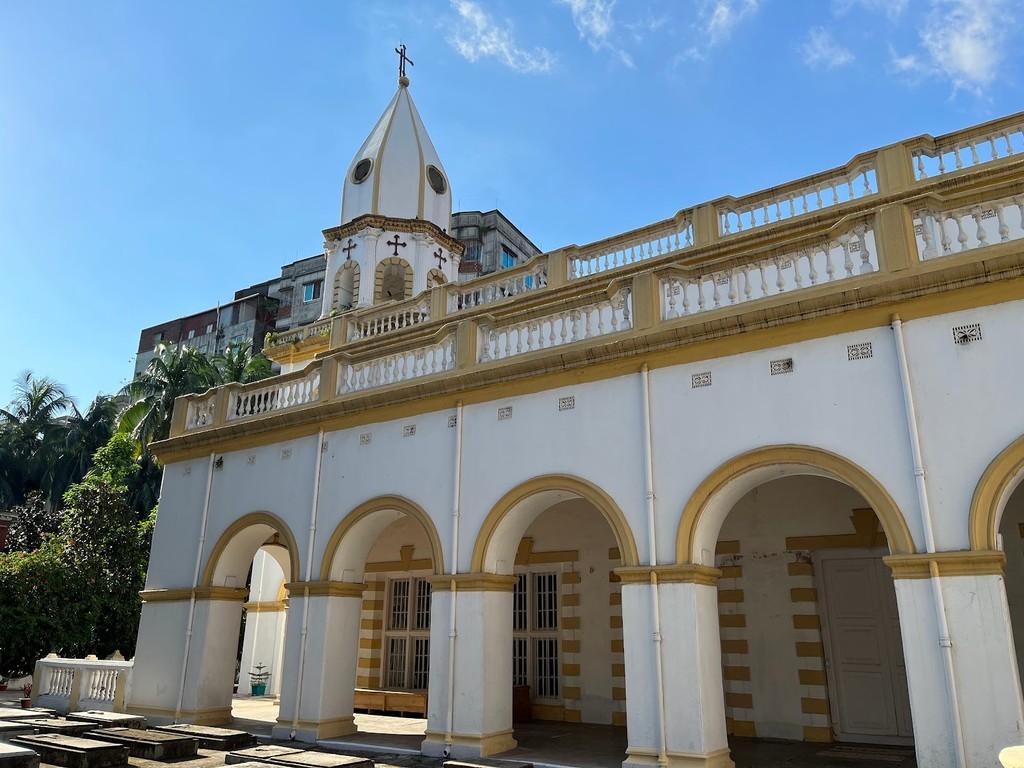
The Armenian Church, officially known as the Church of the Holy Resurrection, is a fascinating historical landmark in Old Dhaka. It reflects the history of the Armenian community that once played an important role in the commercial and social life of the city.
The church was built in 1781 and is located in the Armanitola neighbourhood, an area historically associated with the Armenian community. Its white exterior, historic architecture, peaceful courtyard, and old gravestones make it one of the most distinctive heritage attractions in Dhaka.
Dhaka City Tour visiting the church provides a different perspective on the city’s multicultural past and the communities that contributed to its development.
Top Things to Do at Armenian Church
- Explore the historic church exterior.
- Learn about the Armenian community in Dhaka.
- Observe the historic gravestones.
- Appreciate the colonial-era architectural features.
- Experience the peaceful atmosphere of the church compound.
Location: Armanitola, Old Dhaka, Bangladesh.
Recommended Visiting Time: 20–30 minutes.
Travel Tip: The church is an active religious heritage site. Visitor access may be limited, so contact the church or check local arrangements before visiting.
Suggested Dhaka City Tour Itinerary
Dhaka has many attractions spread across Old Dhaka and other parts of the city. Planning your route carefully will help you save time and avoid unnecessary traffic.
For a complete experience, I recommend a two-day city tour. You can explore the historic attractions of Old Dhaka on the first day and the national landmarks and museums on the second day.
Day 1: Old Dhaka Historical and Cultural Tour
Time | Destination | Activity |
|---|---|---|
9:00 AM | Lalbagh Fort | Explore Mughal history |
10:30 AM | Ahsan Manzil | Visit the Pink Palace Museum |
12:00 PM | Star Mosque | Discover mosaic architecture |
12:45 PM | Armenian Church | Explore Armenian heritage |
1:30 PM | Old Dhaka | Lunch and local food |
3:00 PM | Dhakeshwari National Temple | Explore religious heritage |
4:00 PM | Old Dhaka streets | Explore traditional markets and culture |
The sequence can be adjusted according to opening hours and visitor access.
Day 2: National Monuments and Modern Dhaka Tour
Time | Destination | Activity |
|---|---|---|
9:00 AM | Liberation War Museum | Discover the history of 1971 |
11:00 AM | Shaheed Minar | Learn about the Language Movement |
12:00 PM | Baitul Mukarram Mosque | Admire national mosque architecture |
1:00 PM | Lunch | Enjoy Bangladeshi cuisine |
2:30 PM | National Parliament House | Admire modern architecture |
4:00 PM | Return / Shopping | Explore nearby areas if time permits |
Important: Friday, Saturday, public holidays, prayer times, and security arrangements can affect access. Confirm the latest opening hours before finalising this itinerary. Allow extra time for Dhaka traffic.
How to Travel Around Dhaka City
Dhaka has several transportation options for tourists. The best choice depends on your budget, travel schedule, and the distance between attractions.
Private Car or Microbus
A private car is one of the most convenient options for a full-day sightseeing trip.
Advantages:
- Comfortable transportation.
- Flexible sightseeing schedule.
- Suitable for families and groups.
- Easier to travel between different areas.
What to Eat During a Dhaka City Tour
- Best Kacchi in Dhaka: The best 5 Dhakai Kacchi in town! | Dhakai Kacchi Biryani | The Business Standard Traditional Bakarkhani of Dhaka
- 5 hearty haleems in Dhaka city | The Business Standard
- Dhaka is a paradise for food lovers. Exploring its traditional food culture is an essential part of any city tour.
Here are some popular local foods worth trying:
Kacchi Biryani: A famous rice dish prepared with marinated meat and aromatic spices.
Old Dhaka Tehari: A traditional rice and meat dish with a distinctive flavour.
Bakarkhani: A traditional crispy layered bread associated with Old Dhaka.
Haleem: A delicious slow-cooked dish made with meat, lentils, and spices.
Fuchka: A popular street snack filled with spicy ingredients.
Jilapi: A traditional sweet treat.
Borhani: A spiced yoghurt-based drink often served with biryani.
If you are visiting Old Dhaka, consider exploring the traditional food shops around Chawkbazar, Nazira Bazar, and nearby areas.
Food Tip: Choose clean, busy food establishments, drink safe water, and check ingredients if you have dietary restrictions.
Where to Stay in Dhaka
Dhaka has accommodation options for different budgets, from affordable guesthouses to luxury hotels.
Your choice of accommodation should depend on the attractions you want to visit and your transportation preferences.
Area | Suitable For |
|---|---|
|
|
|
|
|
|
|
|
|
|
|
|
Travel Recommendation: Gulshan, Banani, and Dhanmondi are convenient accommodation choices for many international visitors. If your main purpose is exploring historical attractions, staying near central Dhaka can also reduce travel distances.
Frequently Asked Questions About Dhaka City Tour
1. How many days are enough for a Dhaka City Tour?
One day is enough to explore some major attractions, but two days are recommended if you want to visit all nine places comfortably.
2. What are the best historical places to visit in Dhaka?
Lalbagh Fort, Ahsan Manzil, Armenian Church, and the Liberation War Museum are among the most interesting historical attractions in Dhaka.
3. Can tourists visit the National Parliament House?
Visitors can admire the building from permitted public areas. Interior visits and access to the parliament grounds are subject to official security and visitor arrangements.
4. Is Dhaka suitable for international tourists?
Yes. Dhaka offers fascinating historical sites, museums, religious landmarks, traditional food, and cultural experiences for international visitors.
5. What is the best time to explore Old Dhaka?
November to February is generally the most comfortable season. Morning visits are recommended throughout the year.
Discover the History, Culture and Beauty of Dhaka
Dhaka is a city full of stories. Every historic building, monument, mosque, temple, and museum represents a different chapter of Bangladesh’s cultural and national history.
From the magnificent Mughal architecture of Lalbagh Fort to the royal elegance of Ahsan Manzil, the city offers remarkable historical experiences. Star Mosque and Dhakeshwari National Temple reflect its religious heritage, while Shaheed Minar reminds visitors of the sacrifices made for the Bengali language.
Explore the historic streets, discover the stories behind the monuments, taste traditional Bangladeshi food, and experience the vibrant spirit of Dhaka with Ghurtecholo.
Ghurtecholo – Pack Light. Travel Far. Explore More.