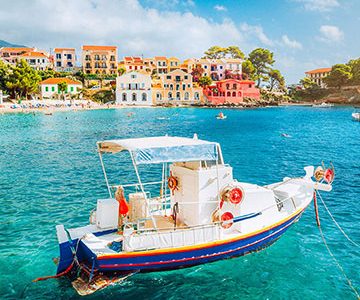



Travel itinerary with daily schedules, budgets, accommodation, transportation, and expert travel planning tips.
Travel Itinerary Planning a trip is exciting, but organizing everything can sometimes feel overwhelming. From choosing destinations and booking hotels to arranging transportation and managing your travel budget, there are many things to consider before starting your journey. This is where a travel itinerary becomes useful.
A travel itinerary is a detailed plan that helps you organize your entire trip, including destinations, daily activities, transportation, accommodation, estimated expenses, and important travel information. It helps you save time, manage your budget, and enjoy your holiday without unnecessary stress.
Whether you are planning a weekend getaway, a family vacation, a solo backpacking adventure, or an international trip, having a well-organized itinerary makes your travel experience smoother.
In this complete guide, Ghurtecholo will explain what a travel itinerary is, why you need one, how to create it, and what information you should include when planning your next adventure.
What Is a Travel Itinerary?
A travel itinerary is a structured travel plan that outlines where you will go, what you will do, where you will stay, and how you will travel during your trip.
It works like a personal travel roadmap, helping you organize your journey from departure to arrival and your return home.
A standard travel itinerary usually includes:
- Travel dates and trip duration.
- Destination names and locations.
- Daily sightseeing activities.
- Hotel and accommodation details.
- Flight, train, bus, and local transportation information.
- Restaurant and food recommendations.
- Estimated travel expenses.
- Important contact information.
- Booking confirmations and emergency details.
Example: If you are planning a 7-day trip to Bangladesh, your itinerary might include Dhaka, Sylhet, Sreemangal, and Cox’s Bazar, with daily activities, transportation, hotel arrangements, and estimated costs.
Why Is a Travel Itinerary Important?
A good itinerary is more than just a list of places to visit. It helps you make better travel decisions and enjoy your holiday with confidence.
Here are some important benefits.
8.1 Saves Time
A planned itinerary helps you organize sightseeing activities according to location and travel time. You can avoid wasting valuable holiday hours deciding where to go next.
8.2 Controls Your Travel Budget
You can estimate expenses for hotels, transportation, meals, entrance fees, and activities before departure.
8.3 Helps You Stay Organized
8.4 Reduces Travel Stress
When your accommodation and transportation are organized in advance, you can enjoy your trip with fewer last-minute problems.
8.5 Helps You Explore More Places
A properly planned schedule allows you to discover more attractions without making your journey unnecessarily rushed.
8.6 Improves Travel Safety
Your itinerary can include emergency contacts, hotel addresses, travel insurance information, and important local services.
Different Types of Travel Itineraries
Travelers have different needs, budgets, and travel styles. Therefore, there is no single itinerary that works for everyone. Here are 10 popular types of travel itineraries.
1. Vacation Itinerary
A complete holiday plan covering sightseeing, accommodation, restaurants, activities, and relaxation.
Different Types of Travel Itineraries
Travelers have different needs, budgets, and travel styles. Therefore, there is no single itinerary that works for everyone. Here are 10 popular types of travel itineraries.

1. Vacation Itinerary
A complete holiday plan covering sightseeing, accommodation, restaurants, activities, and relaxation.

2. Family Travel Itinerary
Designed for families with children, including family-friendly hotels, transportation, activities, and rest periods.

3. Solo Travel Itinerary
A flexible plan for independent travelers, including affordable accommodation, transportation, and safety information.

8. Group Tour Itinerary
A shared schedule for groups, including sightseeing, meals, transport, accommodation, and group activities.

9. Road Trip Itinerary
A driving plan with routes, stops, fuel stations, accommodation, attractions, and estimated driving times.

10. International Travel Itinerary
A detailed plan covering international flights, visa requirements, accommodation, local transport, sightseeing, and travel documents.
How to Create a Perfect Travel Itinerary (Step-by-Step Guide)
Creating a travel itinerary does not need to be complicated. Follow these steps to prepare an organized and practical travel plan.
Step 1: Choose Your Destination
First, decide where you want to travel.
Consider:
- Your travel interests.
- Available vacation days.
- Weather and best travel season.
- Destination accessibility.
- Your travel budget.
- Visa and entry requirements.
For example, if you love nature, you might choose Sylhet or Bandarban in Bangladesh. If you enjoy beaches, Cox’s Bazar could be an excellent option.
Decide Your Travel Dates and Duration
Choose your departure and return dates. Determine how many days you can spend at each destination. Avoid including too many places in a short trip.
Example:
|
Travel details |
Example |
|---|---|
|
Destination |
Bangladesh |
|
Duration |
7 Days / 6 Nights |
|
Arrival |
Dhaka |
|
Main destinations |
Dhaka, Sylhet, Sreemangal |
|
Travel style |
Nature and cultural exploration |
|
Budget |
Mid-range |
Research Tourist Attractions
Find the best attractions at your destination.
Research:
- Famous landmarks.
- Natural attractions.
- Museums and historical sites.
- Beaches and mountains.
- Local markets.
- Cultural experiences.
- Restaurants and popular food.
Check opening hours, entrance fees, seasonal accessibility, and local restrictions before finalizing your schedule.
Arrange Transportation
Choose the best transportation for your journey.
Common options include:
- International flights.
- Domestic flights.
- Trains.
- Public buses.
- Private cars.
- Rental vehicles.
- Boats and ferries.
- Local taxis and ride-sharing services.
Consider the distance, journey time, comfort, and total cost before booking.
Book Your Accommodation
Choose accommodation based on your budget, location, and travel preferences.
Popular options include:
- Budget hotels.
- Guesthouses.
- Hostels.
- Mid-range hotels.
- Luxury resorts.
- Vacation rentals.
Try to choose accommodation close to your main attractions or convenient transport connections.
Estimate Your Travel Budget
Prepare a realistic travel budget before departure.
Include:
- Flights or transportation.
- Hotel accommodation.
- Food and drinks.
- Sightseeing and activities.
- Local transportation.
- Travel insurance.
- Shopping and souvenirs.
- Emergency expenses.
Always keep some additional money for unexpected expenses.
Create Your Daily Travel Schedule
This is the most important part of your itinerary.
Organize activities by day and location. Avoid planning too many activities in one day.
A practical daily schedule could look like this:
|
Time |
Activity |
|---|---|
|
7:00 AM |
Wake up and breakfast |
|
8:00 AM |
Start sightseeing |
|
10:00 AM |
Visit tourist attractions |
|
1:00 PM |
Lunch break |
|
2:00 PM |
Explore nearby destinations |
|
5:00 PM |
Return to hotel |
|
7:00 PM |
Dinner and local shopping |
|
9:00 PM |
Rest and prepare for tomorrow |
Prepare Your Travel Documents
For international travel, check that you have:
- Valid passport.
- Required visa.
- Flight tickets.
- Hotel reservations.
- Travel insurance.
- Identification documents.
- Emergency contact details.
- Copies of important documents.
Prepare Your Travel Documents
For international travel, check that you have:
- Valid passport.
- Required visa.
- Flight tickets.
- Hotel reservations.
- Travel insurance.
- Identification documents.
- Emergency contact details.
- Copies of important documents.
Prepare Your Packing List
Pack according to the weather, destination, and activities.
Important items include clothing, comfortable shoes, toiletries, travel adapters, chargers, medicines, travel documents, and essential gadgets.
Step 10: Review and Finalize Your Itinerary
Before departure, review your entire travel plan.
Double-check:
- Flight and hotel bookings.
- Transportation schedules.
- Attraction opening times.
- Travel distances.
- Daily activities.
- Emergency arrangements.
- Keep a digital and offline copy of your itinerary.
Best Travel Itinerary Planning Tools
You do not need to organize everything manually. Several digital tools can make travel planning easier.
|
Tool |
Main purpose |
|---|---|
|
Google Maps |
Navigation and route planning |
|
Google Sheets |
Travel budget and expense tracking |
|
Google Docs |
Writing travel plans |
|
TripIt |
Organizing travel reservations |
|
Wanderlog |
Planning destinations and daily activities |
|
Booking.com |
Finding accommodation |
|
Skyscanner |
Comparing flight options |
Choose the tools that match your travel style. You can also use a printable itinerary planner to keep your trip information organized.
What Should a Professional Travel Itinerary Include?
If you are creating a travel itinerary for personal use or selling a travel planning service, include the following information.
|
Section |
Required information |
|---|---|
|
Trip Overview |
Destination, dates, duration |
|
Traveler Information |
Name, number of travelers |
|
Transportation |
Flights, trains, buses, transfers |
|
Accommodation |
Hotel names, addresses, check-in/out |
|
Daily Schedule |
Activities, locations, timing |
|
Destination Guide |
Attractions and local experiences |
|
Food & Dining |
Restaurants and meal recommendations |
|
Budget Planner |
Estimated expenses |
|
Booking Details |
Confirmation numbers and references |
|
Travel Checklist |
Documents and packing list |
|
Emergency Information |
Contacts and local services |
|
Travel Notes |
Important instructions and reminders |
Travel Itinerary vs Travel Planner vs Vacation Planner
These terms are closely related, but they have different purposes.
|
Feature |
Travel Itinerary |
Travel Planner |
Vacation Planner |
|---|---|---|---|
|
Main purpose |
Organize daily travel activities |
Organize the complete trip |
Plan a holiday |
|
Daily schedule |
Yes |
Yes |
Yes |
|
Budget tracking |
Sometimes |
Yes |
Yes |
|
Flight details |
Yes |
Yes |
Yes |
|
Hotel information |
Yes |
Yes |
Yes |
|
Packing checklist |
Optional |
Often included |
Often included |
|
Trip expenses |
Optional |
Yes |
Yes |
Which one should you choose?
- Travel itinerary: Best for organizing daily activities.
- Travel planner: Best for managing all aspects of a trip.
- Vacation planner: Best for organizing a holiday, including relaxation and activities.
Common Travel Itinerary Planning Mistakes to Avoid
Even experienced travelers can make planning mistakes. Avoid these common problems:
- Overplanning: Do not schedule too many attractions in one day.
- Ignoring travel time: Consider traffic, distance, and transportation delays.
- Not checking the weather: Weather can affect outdoor activities.
- Choosing inconvenient hotels: Consider the location before booking.
- Ignoring local culture: Learn about local customs and traditions.
- Not keeping backup plans: Prepare alternative activities for unexpected changes.
- Forgetting travel insurance: Consider suitable coverage for your trip.
- Not saving booking details: Keep important confirmations accessible offline.
- Ignoring rest time: Include breaks between long journeys.
- Not planning an emergency budget: Always keep additional funds available.
- Tips for Creating a Budget-Friendly Travel Itinerary
Want to explore more while spending less? Follow these practical tips.
- Travel during the off-season when suitable.
- Compare flight prices before booking.
- Choose affordable hotels or guesthouses.
- Use public transportation where practical.
- Visit free tourist attractions.
- Eat at reputable local restaurants.
- Group nearby attractions together.
- Book popular activities in advance when beneficial.
- Avoid unnecessary shopping.
- Prepare a daily spending limit.
Budget-friendly travel is not about spending as little as possible. It is about getting the best experience within your available budget.
-
Frequently Asked Questions (FAQs)
1. What is a travel itinerary?
A travel itinerary is an organized plan that includes your travel dates, destinations, accommodation, transportation, daily activities, and estimated expenses.
2. How do I create a travel itinerary?
Choose your destination, decide your travel dates, research attractions, arrange transportation, book accommodation, prepare daily activities, and estimate your travel budget.
3. What is the difference between a travel itinerary and a travel plan?
A travel itinerary focuses mainly on daily activities and destinations, while a travel plan covers the complete journey, including budgeting, bookings, documents, transportation, and preparation.
4. How many destinations should I include in a 7-day travel itinerary?
It depends on the destination and travel distances. Generally, two to four main destinations can provide a comfortable 7-day trip, although some regions allow more.
5. Can I create a travel itinerary for free?
Yes. You can create a travel itinerary using Google Docs, Google Sheets, Google Maps, or free online planning tools.
6. What is the best format for a travel itinerary?
A daily schedule in a PDF, Excel spreadsheet, or printable planner is useful. Include dates, destinations, activities, transportation, hotel details, and estimated expenses.
7. Should I book hotels before creating my itinerary?
It is best to research your route and accommodation locations first. For popular destinations and peak seasons, booking in advance is often helpful.
8. Is a travel itinerary necessary for international travel?
It is not always mandatory, but it is highly recommended. It helps organize flights, accommodation, activities, and important travel documents. Some visa applications may also request an itinerary or travel plan.
9. Can I change my travel itinerary after booking?
Yes. A flexible itinerary allows you to adjust activities, destinations, and schedules. However, check the cancellation and change policies of your flights, hotels, and tours.
10. What is a customizable travel itinerary?
A customizable travel itinerary is a travel plan that can be modified according to your budget, travel dates, interests, destination, and personal preferences.
Recommended Internal Links for Ghurtecholo
Add relevant internal links throughout the article:
- Tour Packages
- Travel Planner
- Bangladesh Travel Guide
- Travel Packing Checklist
- Vacation Planner